This weekend has been a good weekend.
As I read a few news articles online, I found myself reflecting on something that seems to be an unavoidable reality. We may very well be the last generation to remember what the world was like before the internet and the mobile web became part of everyday life.
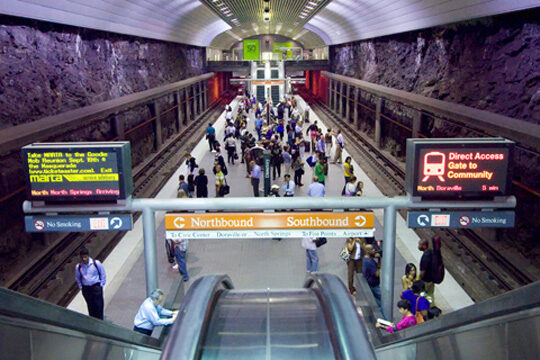
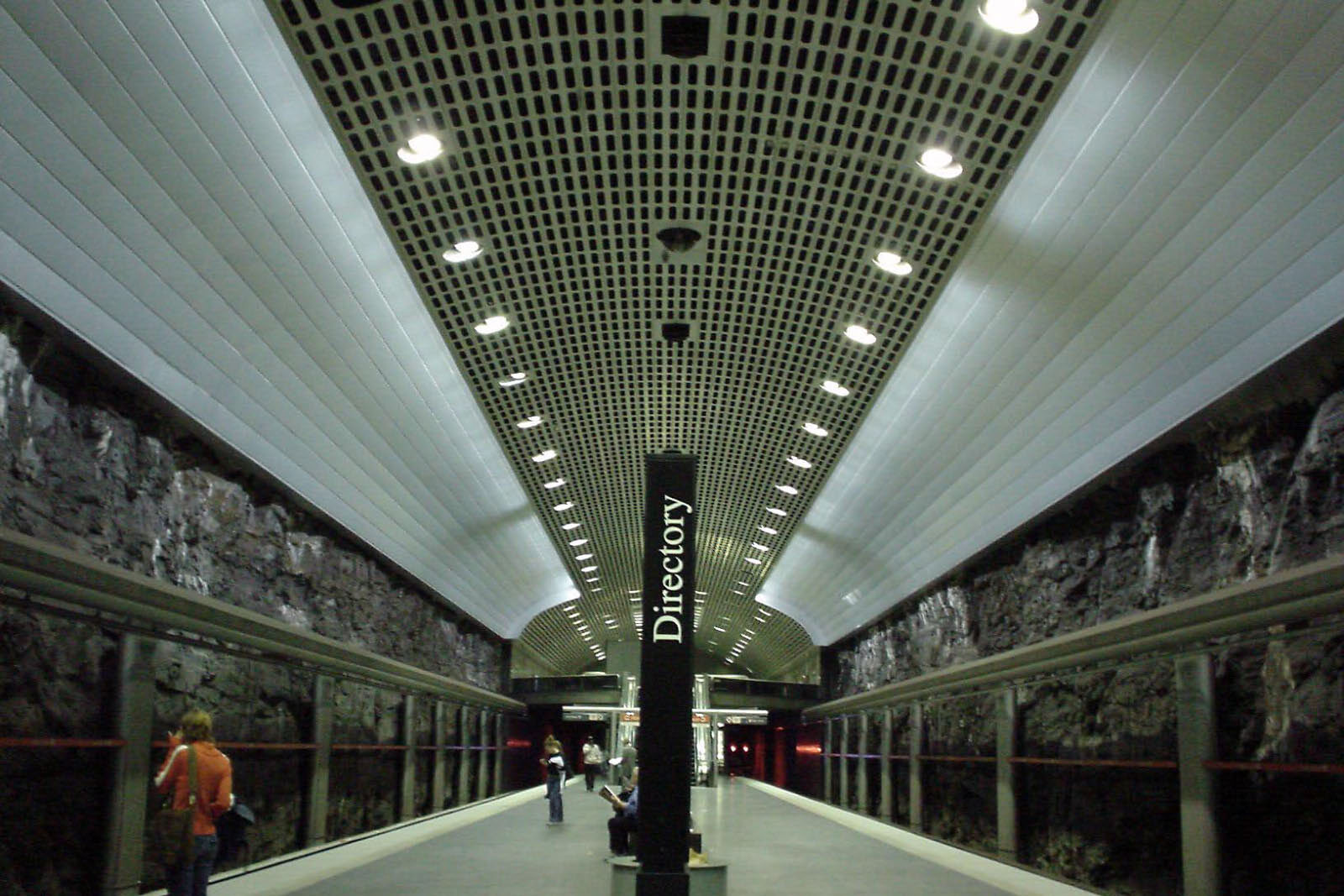
On Friday, my wife and I rode the train downtown, and I couldn’t help but notice how connected everyone had become. As I settled into my seat and looked around the train, I realized there was only one person reading an actual book. I saw no one reading a physical newspaper, very few magazines, and almost no signs of the paper-based world that I grew up with.
Instead, there was an overwhelming presence of digital devices.
An elderly woman was reading what appeared to be a 10-inch Android tablet. A young girl was paging through her second-generation Kindle. Others were reading articles, checking email, listening to music, or browsing websites from their phones.
As I observed the passengers around me, it became apparent that the days of carrying a newspaper onto the train may soon be over.
I was fascinated by the fact that ninety to ninety-five percent of the people on a packed train were interacting with some form of digital technology. As I sat there watching, it slowly dawned on me that we are living through one of the most significant technological shifts in modern history.
The internet is no longer something we visit from a computer.
It is becoming something we carry with us.
My train of thought was interrupted by the sound of my wife’s Android phone. I laughed to myself as I looked down at my own phone and reopened the Steve Jobs biography I had been reading.
The irony wasn’t lost on me.

A Different World
As I continued reading about Steve Jobs, I found myself thinking about the world my parents grew up in.
I remember bringing the newspaper in from the front porch for my grandmother each morning. I remember making trips to the library to research school assignments. I remember a time when information wasn’t instantly available at the touch of a screen.
Today, the library fits into our pockets.
Need directions? Pull out a phone.
Need to learn something? Search for it.
Need a book? Download one.
Need an answer? Chances are it’s only a few seconds away.
Sometimes I wonder how different my high school experience would have been if I had access to the tools that exist today. The ability to instantly research topics, communicate with classmates, and access an almost limitless amount of information would have changed everything.
What once required hours of searching now takes minutes.
Technology has fundamentally changed how we learn.
The Evolution of Computing
As I sat on the train, another thought crossed my mind.
No one was using a laptop.
Not a single person.
I came of age during a period when desktop computers were the standard and laptops represented the future. Back then, a beeper was considered cutting-edge technology. I remember watching companies like Apple refine and perfect the laptop computer, making portable computing a reality for millions of people.
Now we’re witnessing another transformation.
The smartphone is becoming the primary computer for many people.
The tablet is creating an entirely new category of computing.
The internet is no longer tied to a desk, an office, or even a home.
It’s everywhere.
As a designer and self-taught technology enthusiast, it has been an incredible experience watching this evolution unfold. What excites me most is not the hardware itself, but what it enables.
Technology is giving people access to information, education, communication, and opportunity in ways that would have been difficult to imagine only a few years ago.
At the same time, I’ve watched industries struggle to adapt.
Perhaps no industry has felt this change more than newspapers and traditional journalism.
I’ve always had a desire to become a hybrid designer and journalist. The newspaper industry has long held a special place in my heart, and it has been difficult watching such an important institution face so much uncertainty.
Fortunately, technology has also created new opportunities.
Platforms like blogging allow anyone with a passion for writing and something meaningful to say to publish their thoughts and share them with the world. In many ways, the barriers that once existed between creators and audiences are disappearing.
For people like me, that’s an exciting prospect.
What We Gain—and What We Lose
I was sharply jarred from my daydream when the train eased to a stop at our station.
As I looked around at the remaining passengers, I noticed everyone plugging in headphones, making calls, sending messages, and interacting with their devices.
My wife glanced over and asked what I was reading.
“The Steve Jobs book,” I replied.
Then she laughed.
“Do you realize we haven’t talked to each other the entire ride?”
I paused for a moment.
She was right.
“Yeah,” I said.
“Blame it on the phone.”
We both laughed as we stepped off the train.
As much as I love the convenience of modern technology, I sometimes wonder what effect it will have on the generations that follow us. There is something amazing about being able to carry your calendar, music collection, books, contacts, news, and access to the entire internet in your pocket.
At the same time, I wonder if constant connectivity will eventually come at a cost.
Technology gives us the ability to communicate with people all over the world.
The challenge may be remembering to communicate with the people standing right next to us.
Still, as someone who has always loved technology, design, and innovation, I can’t help but be excited about where things are headed.
We are witnessing a transformation that future generations will read about in history books.
And whether they read those history books on paper or on a device we haven’t even imagined yet remains to be seen.
Gotta love technology.