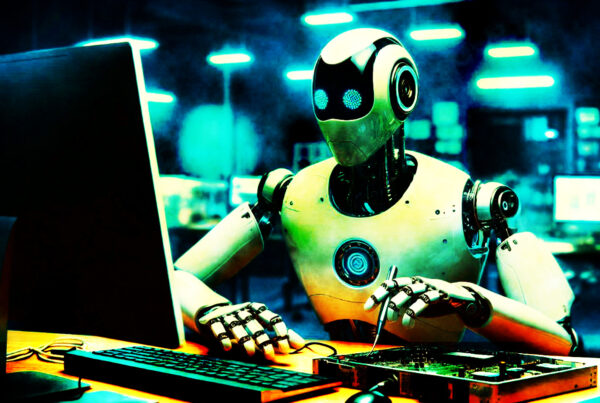
I’ve been spending a lot of time reflecting on where I am professionally and where I want to go.
Lately I’ve returned to sketching, experimenting, and exploring new creative disciplines. The more I learn, the more I realize something important:
The best designers are never finished learning.
When I first entered the design industry, I viewed design through a relatively narrow lens. I was fascinated by visual communication, branding, typography, and software like Photoshop. Like many designers, I believed mastery meant becoming exceptionally skilled at a specific craft.
What I didn’t yet understand was that great design extends far beyond the tools.
As my experience grew, I began to recognize that every project introduced new challenges that required skills outside my original expertise. One day I needed to understand web development. The next day it was user behavior. Then it became information architecture, content strategy, marketing, business objectives, or technology constraints.
The deeper I went, the more I realized that solving problems—not creating visuals—was the true purpose of design.
A Career Built on Curiosity
My formative years as a designer have been laced with the realization that, curiosity has always been my greatest professional asset.
Before design became my primary focus, I spent time immersed in technology. That technical foundation taught me how systems work and how people interact with them. When I eventually moved deeper into creative work, I carried that perspective with me.
Instead of seeing technology and design as separate disciplines, I began to see them as partners.
That realization fundamentally changed how I approached my career.
I stopped asking:
How can I become a better digital designer?
And started asking:
How can I become better at solving problems?
The difference was significant.
Problem solving required me to learn new software, new processes, and entirely new disciplines. It meant becoming comfortable with being uncomfortable. It meant embracing the fact that growth often begins with not knowing.
Beyond Design Software
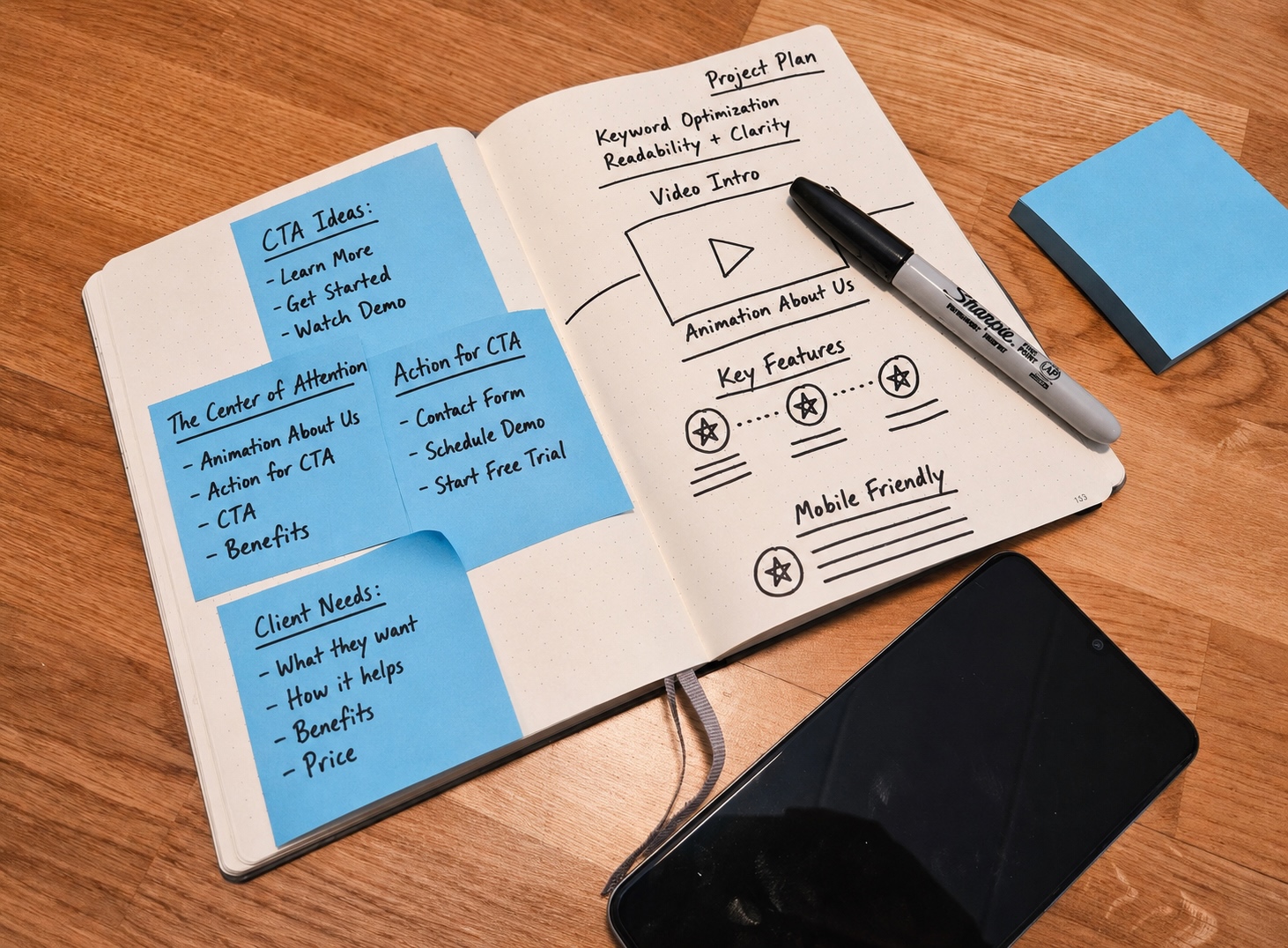
Many people assume design is primarily about learning the following Adobe applications:
Photoshop
Illustrator
InDesign
Dreamweaver
These tools are important, but tools alone do not create value.
Real value comes from understanding people.
Why do they behave the way they do?
Why do certain experiences feel intuitive while others create frustration?
Why do some products succeed while others fail?
I have a feeling that over the next decade, the most successful designers will not simply be artists. They will be strategists, researchers, communicators, technologists, and business thinkers.
They will understand how creativity connects to outcomes.
They will understand how design influences behavior.
And they will continuously reinvent themselves as the industry evolves.
The Future Belongs to Lifelong Learners
Technology changes, industries change, the tools we use today will eventually be replaced by something new.
The professionals who thrive won’t be the ones who mastered a single application or workflow. They’ll be the ones who developed the ability to learn, adapt, and grow regardless of the environment around them.
That idea excites me.
I don’t know exactly where my career will lead over the coming years, but I do know this:
I intend to continue learning.
Whether it’s design, development, user experience, emerging technologies, business strategy, or something I haven’t yet discovered, I want to remain a student of the craft.
The moment we believe we’ve learned everything is the moment we stop growing.
By Any Means Necessary
The phrase “By Any Means Necessary” isn’t about doing everything.
It’s about refusing to stop learning.
It’s about pursuing excellence with discipline, curiosity, and determination.
It’s about recognizing that every new skill, every challenge, every failure, and every success contributes to becoming a more complete professional.
If the future demands new knowledge, I’ll learn it.
If the problem requires new skills, I’ll develop them.
If the opportunity requires growth, I’ll embrace it.
Because the goal isn’t simply to become a better designer.
The goal is to become a better problem solver.
And I’ll continue pursuing that goal, By Any Means Necessary!