Why Cold Wallets Matter More Than Ever
As cryptocurrency adoption increases—and regulation, hacks, and centralized failures remain persistent risks—self-custody is no longer optional. Cold wallets (offline wallets) are now designed not just for security, but for usability, mobility, and multi-chain support.
This new generation of wallets solves three historic problems:
-
Poor user experience
-
Single-chain limitations
-
Fragile recovery methods
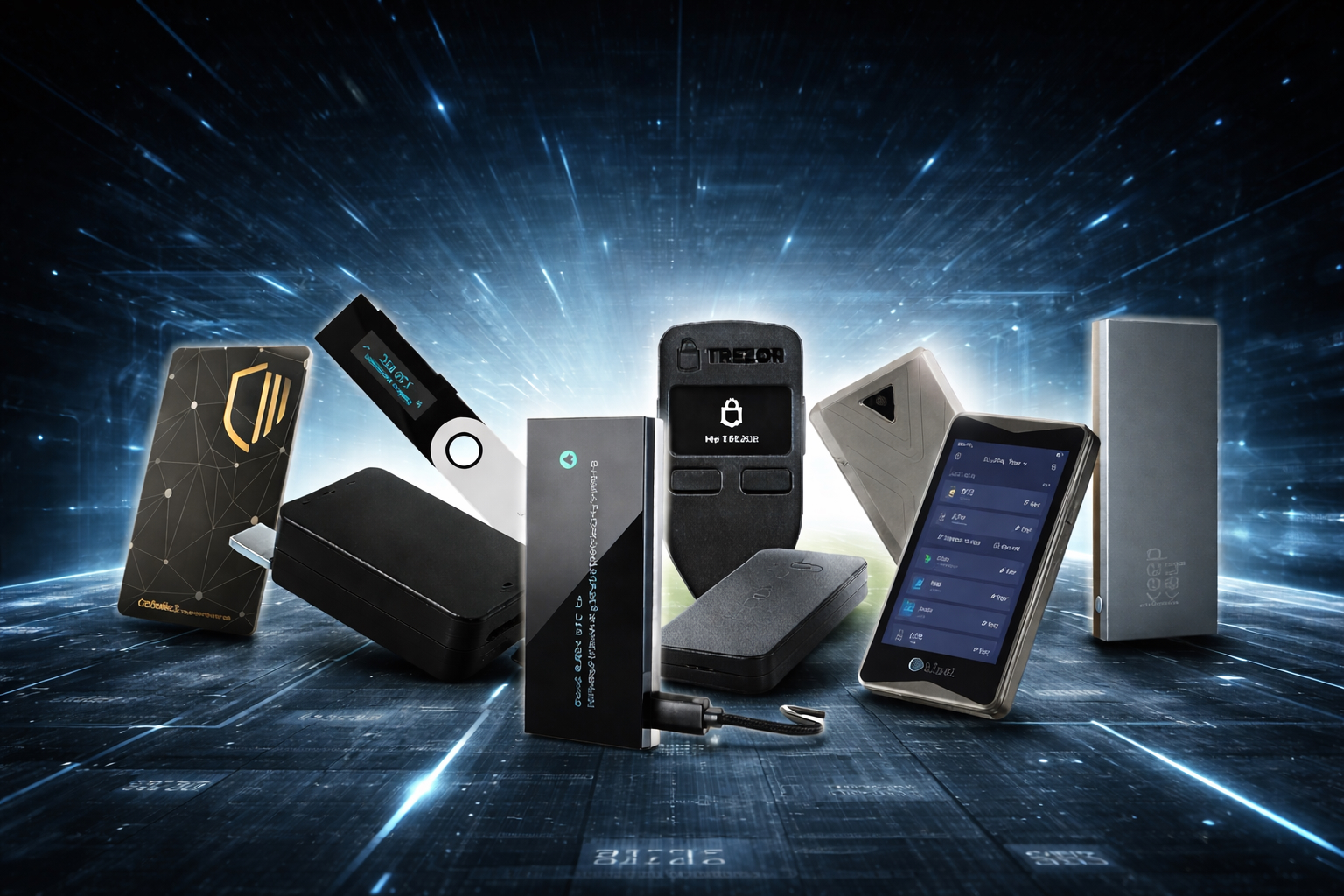
Let’s break down the top cold wallets of this new wave and who they’re best for. (Their names are linked to the manufacturers webpages for further information)
Top Cold Wallets (2026)
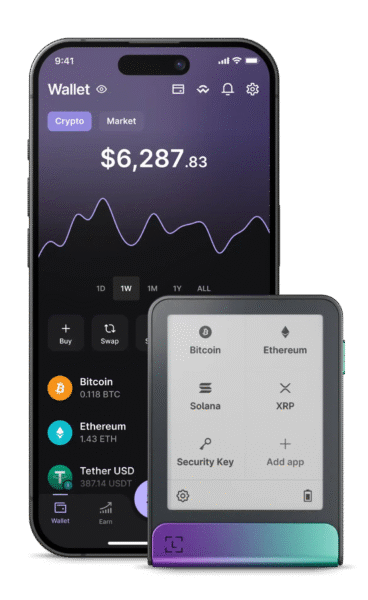
Ledger Flex
Best for: Power users who want security + UX
Standout feature: Secure touchscreen + Ledger Live ecosystem
Pros
-
Secure Element chip (bank-grade)
-
Bluetooth + mobile-first design
-
Strong DeFi, NFT, and staking support
-
Ledger Live is still the most complete companion app
Cons
-
Closed-source firmware (trust trade-off)
-
Higher cost
Best fit: Active crypto investors, DeFi users, multi-chain holders
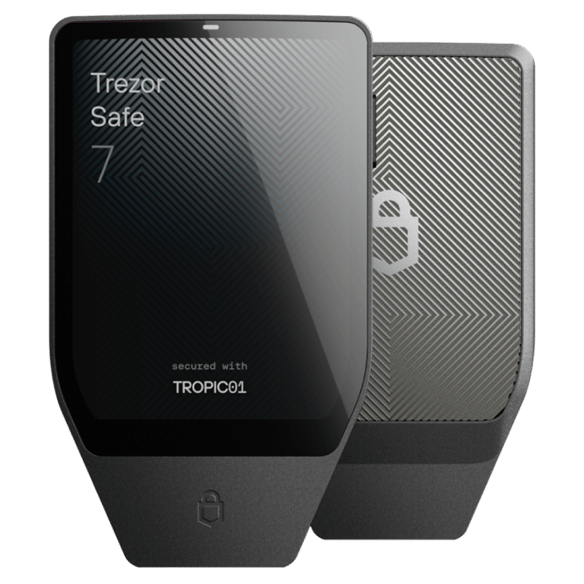
Trezor Safe 7
Best for: Open-source advocates with broad multi-chain needs
Standout feature: Next-gen Trezor platform with secure element + open firmware
Pros
-
Open-source firmware with community trust
-
Secure Element adds hardware-level protection
-
Excellent support for Bitcoin, Ethereum, and major altchains
-
Great UX with touchscreen
Cons
-
Ecosystem slightly smaller than Ledger’s
-
Fewer third-party integrations (still growing)
Best fit: Security-focused users who want transparency plus robust multi-chain support
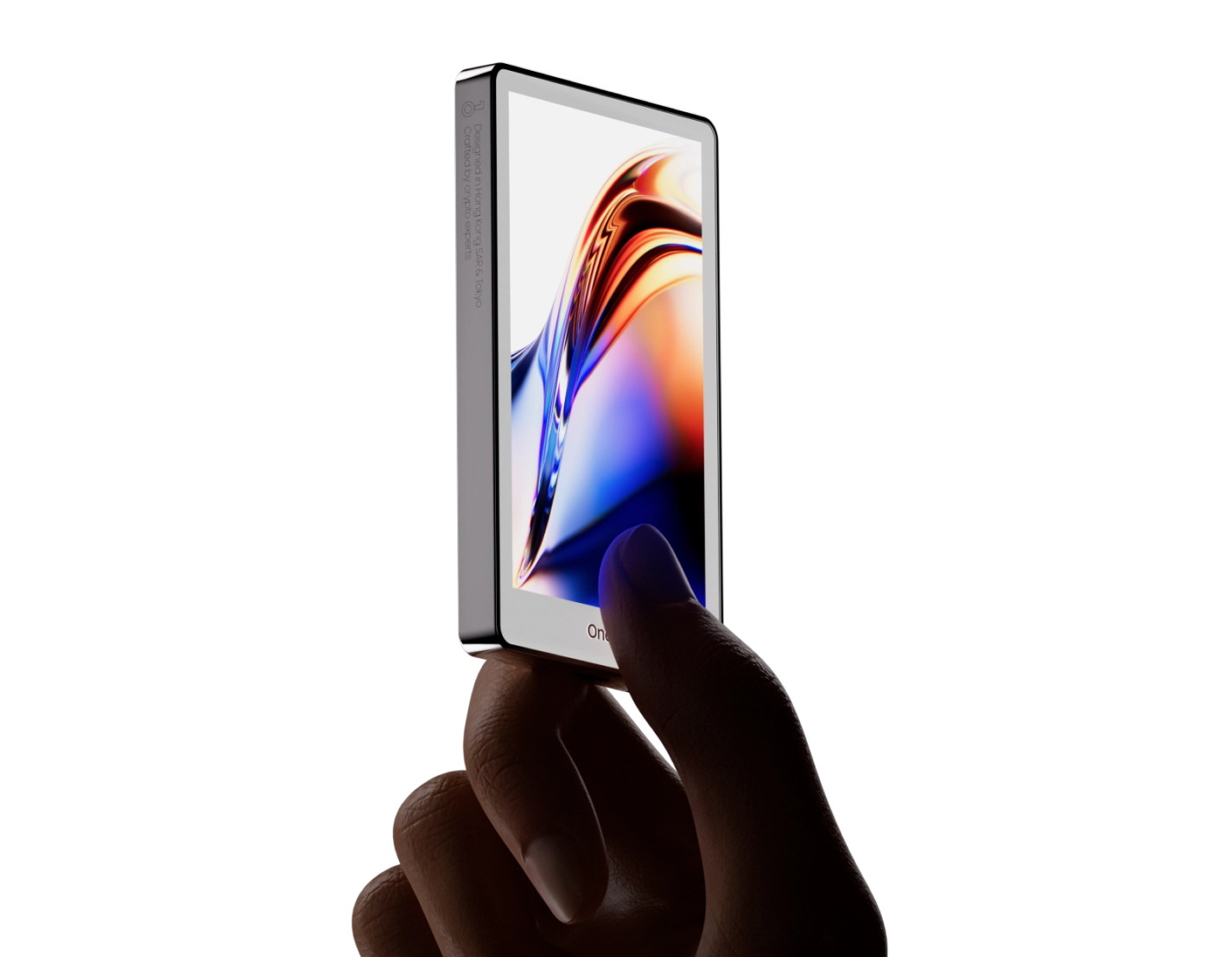
Best for: Multi-chain + open-source balance
Standout feature: Community-audited firmware with modern UI
Pros
-
Open-source
-
Broad chain support
-
Clean, modern interface
-
Competitive pricing
Cons
-
Smaller ecosystem than Ledger
-
Brand still growing in the U.S.
Best fit: Developers, multi-chain users, technically inclined holders
Tangem Wallet
Best for: Extreme simplicity & mobility
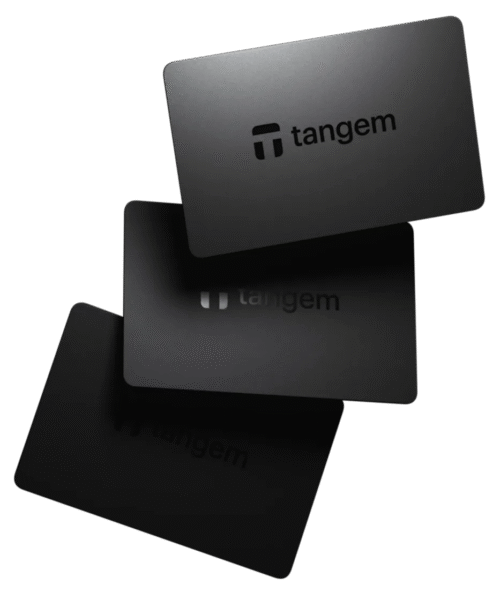
Standout feature: Card-based, no battery, no cables
Pros
-
No seed phrase required (optional backup cards)
-
NFC-based (tap with phone)
-
Ultra-portable and durable
-
Very beginner-friendly
Cons
-
Heavily phone-dependent
-
Not ideal for advanced DeFi users
Best fit: Beginners, long-term holders, “set-and-forget” investors
Best for: Air-gapped maximal security
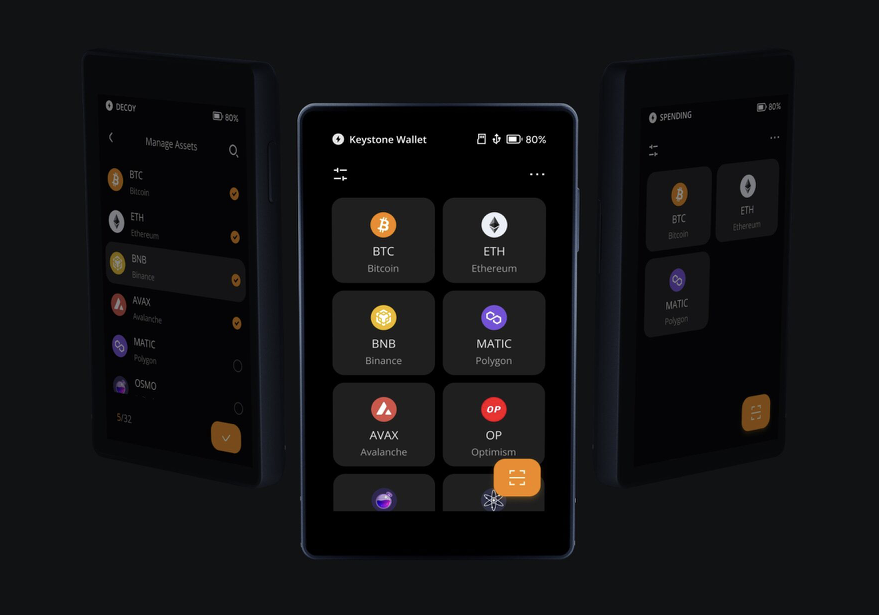
Standout feature: QR-code signing only (no USB/Bluetooth)
Pros
-
True air-gapped security
-
Large touchscreen
-
Open-source firmware
-
Supports MetaMask, OKX, and others
Cons
-
Slower transaction flow
-
Bulkier form factor
Best fit: High-net-worth holders, security-first users
Choosing the Right Wallet
If You Value…
Choose
Best UX + Ecosystem
Open-Source + Secure Element
Balance of Openness + Features
Simplicity & Portability
Maximum Isolation
Ledger Flex
Trezor Safe 7
OneKey Pro
Tangem
Keystone 3 Pro
Final Take
Cold wallets aren’t just “storage” anymore — they’re daily drivers for self-custody. The new wave is about clear signing, better screens, and trustable security models, so you can verify what you’re doing instead of hoping you clicked the right thing.
Trezor Safe 7 is a standout if you want transparency and modern protection. It was voted the best overall crypto hardware wallet by The Block, and it’s built around a quantum-ready security architecture with the next-gen TROPIC01 secure chip — designed to be auditable and verifiable, which is rare in this category. Lastly, Trezor is widely recognized as the first commercially available hardware (cold) wallet. That lineage is exactly why Trezor still holds weight in discussions around open-source security, verifiability, and long-term custody, especially with newer models like the Safe 7 building on that original philosophy.
On the other side, Ledger has clearly leaned into a premium “signer” experience. Between Stax (curved E-Ink touchscreen), Flex (touchscreen signer), and the newer Nano Gen5 (bigger touchscreen-style experience), Ledger now has three screen-forward devices aimed at making transaction review easier — paired with one of the most polished companion app experiences in the space (Ledger Live).
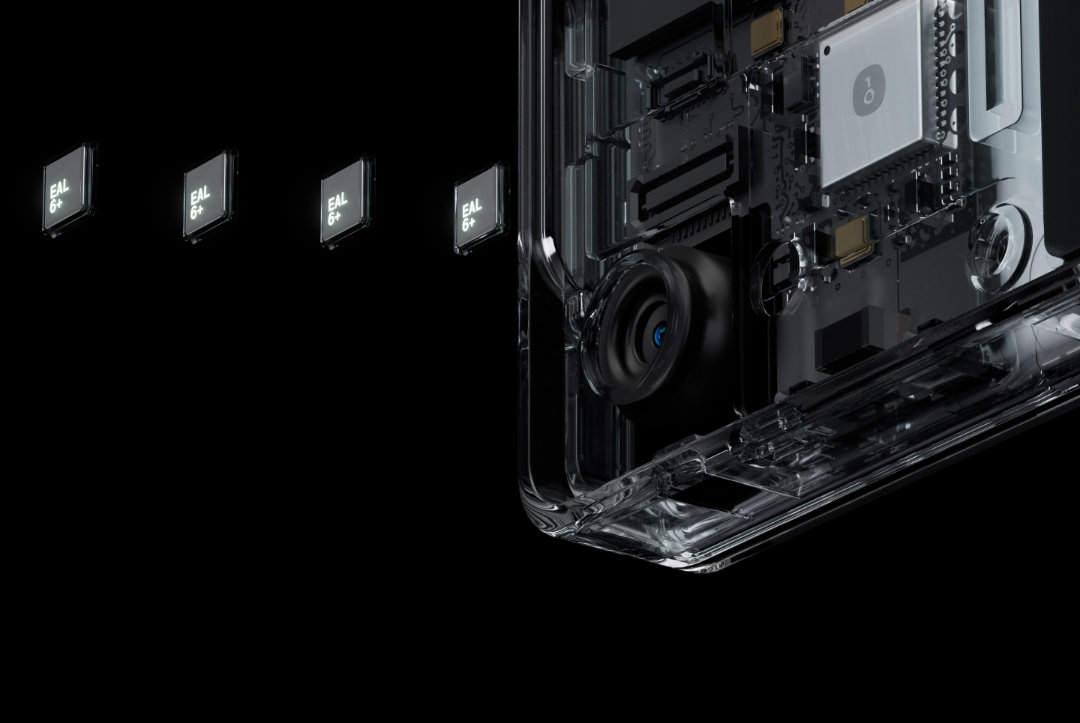
If you want serious chip assurance, OneKey deserves the spotlight. The OneKey Pro is built with EAL 6+ certified security chips, targeting a “vault-grade” model where the hardware security layer is a primary selling point. (EAL6-class embedded security is widely used in high-security payment/identity ecosystems.)
Keystone is the pick for people who want “verify everything” as a lifestyle. It’s positioned as fully open-source, uses a big 4-inch touchscreen to review transaction details comfortably, and emphasizes PCI-grade anti-tamper / tamper-resistance so physical interference is harder to pull off unnoticed.
And Tangem is the wallet that flips the whole mental model: instead of “device + cables + friction,” it goes tap-to-use convenience with a certified secure chip — designed for people who want top-level security with everyday simplicity. It’s genuinely compelling for newcomers and still useful for veterans who want a clean, mobile-first self-custody flow.
Security isn’t just about hardware — it’s about practice.